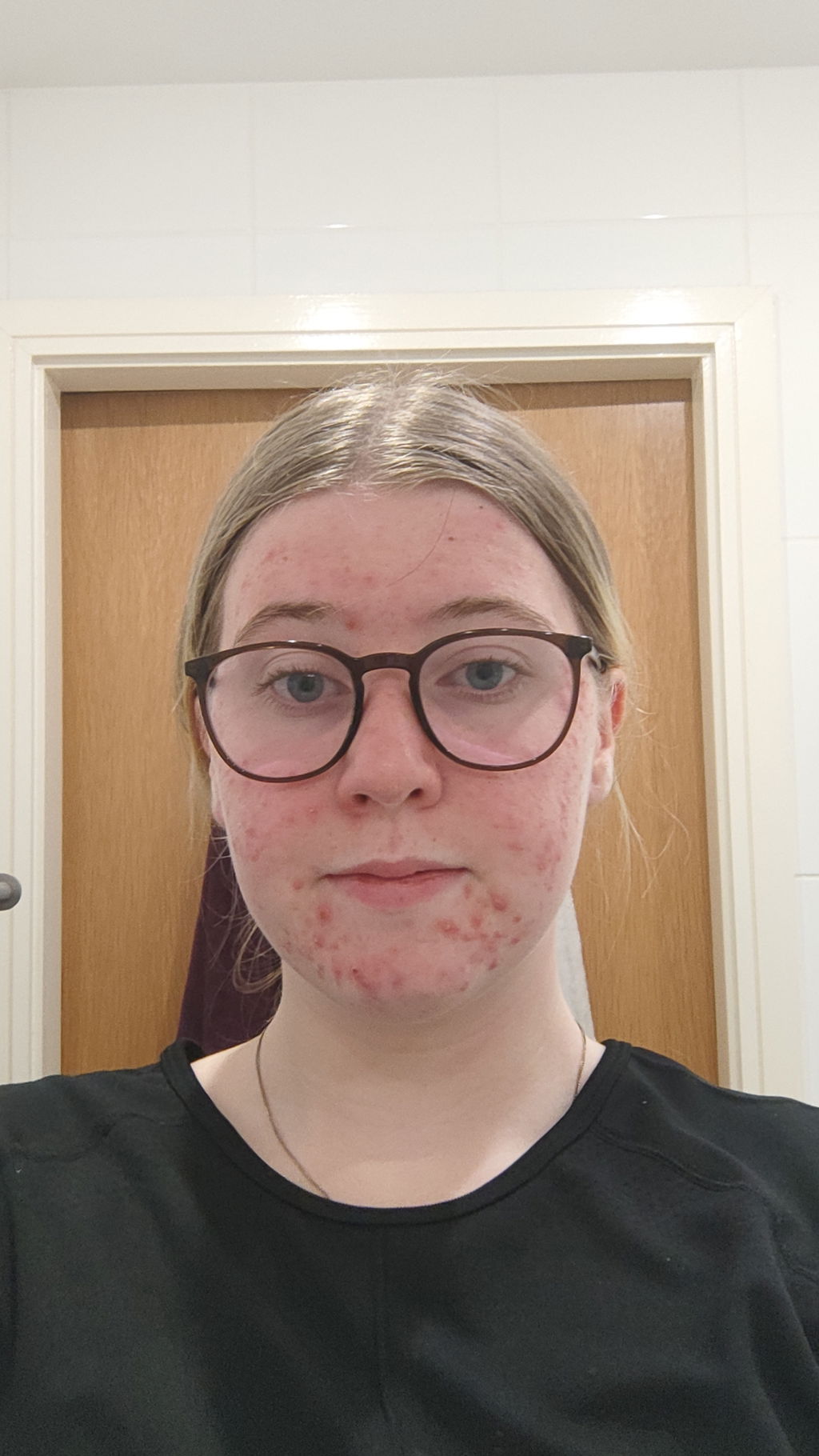


Why oily skin leads to spots from oily skin

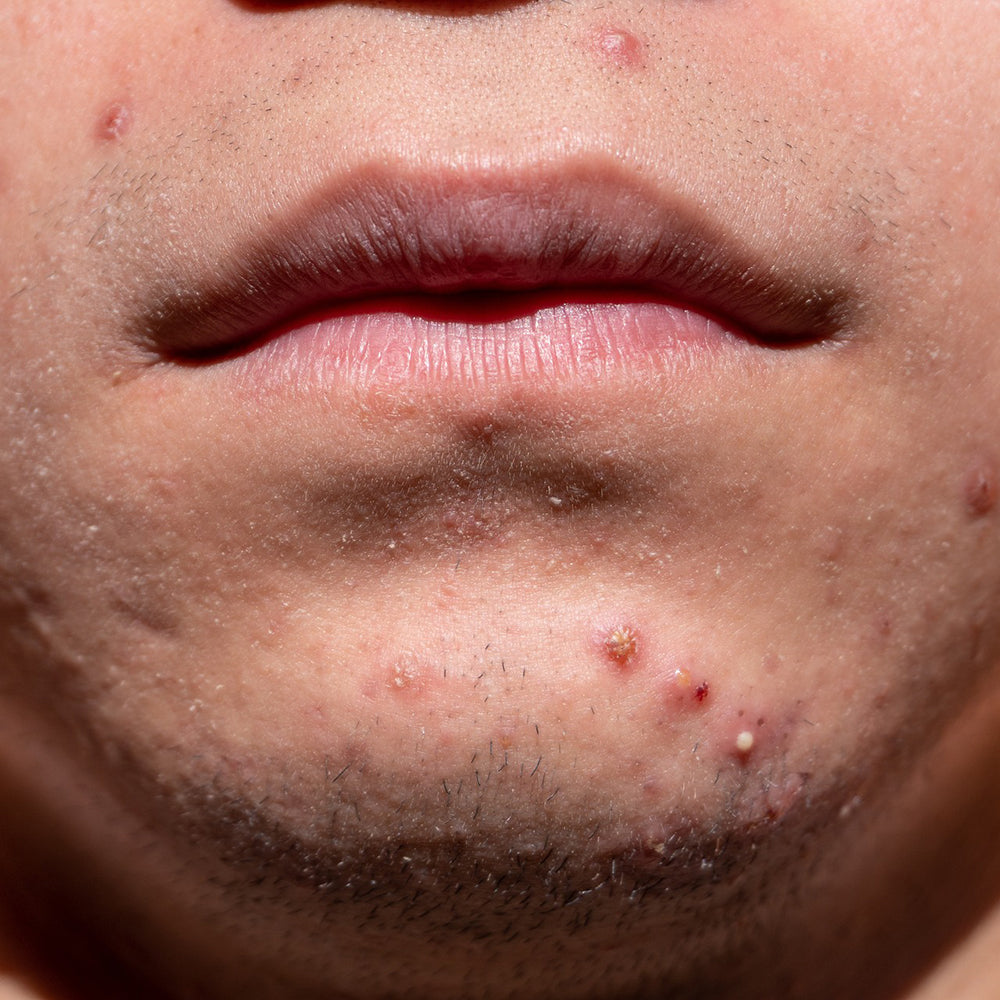
Oily skin has active sebaceous glands that produce oil with a single purpose: to protect and soften the surface of the skin. The problem starts when sebum is produced in excess.
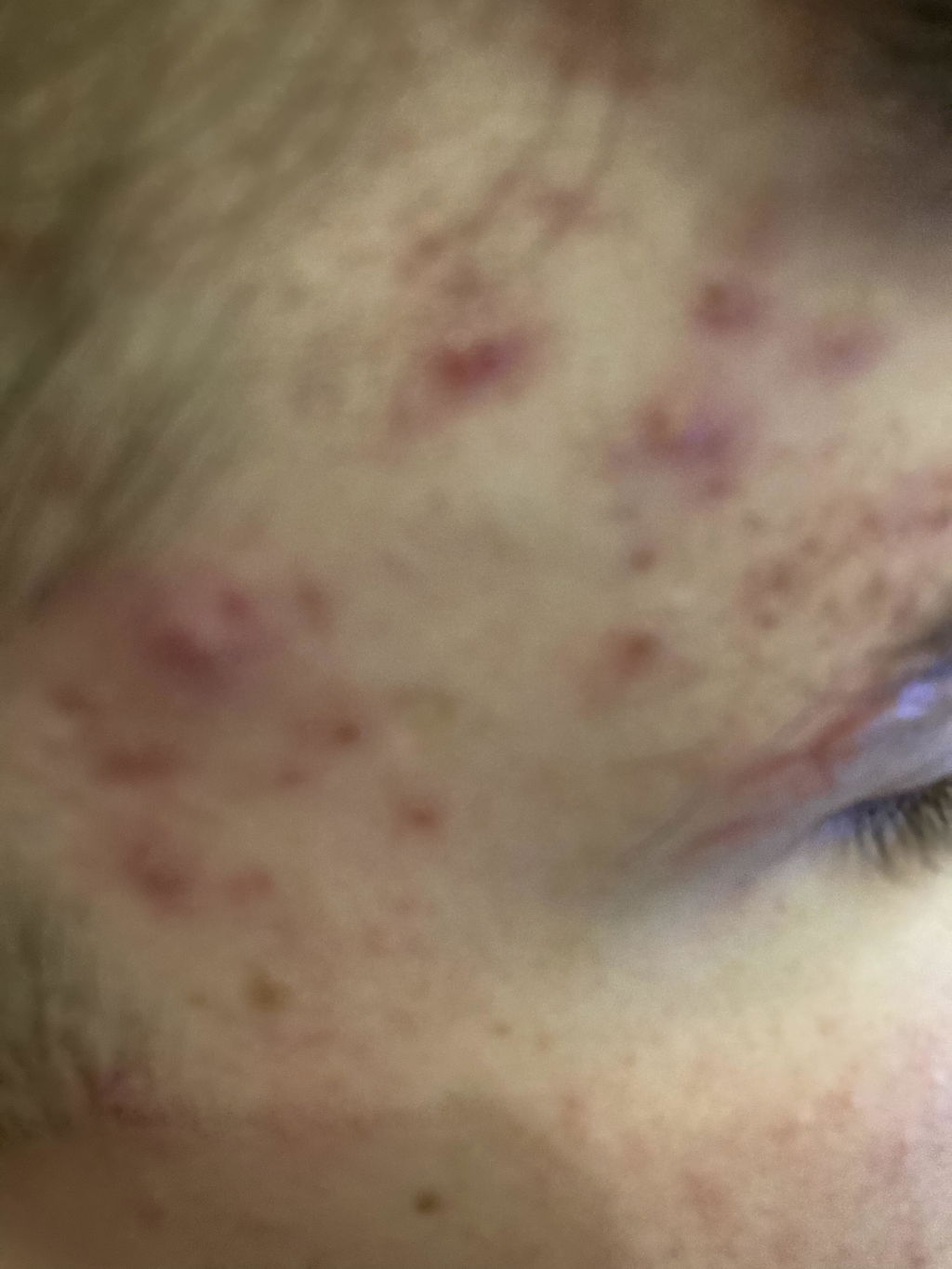
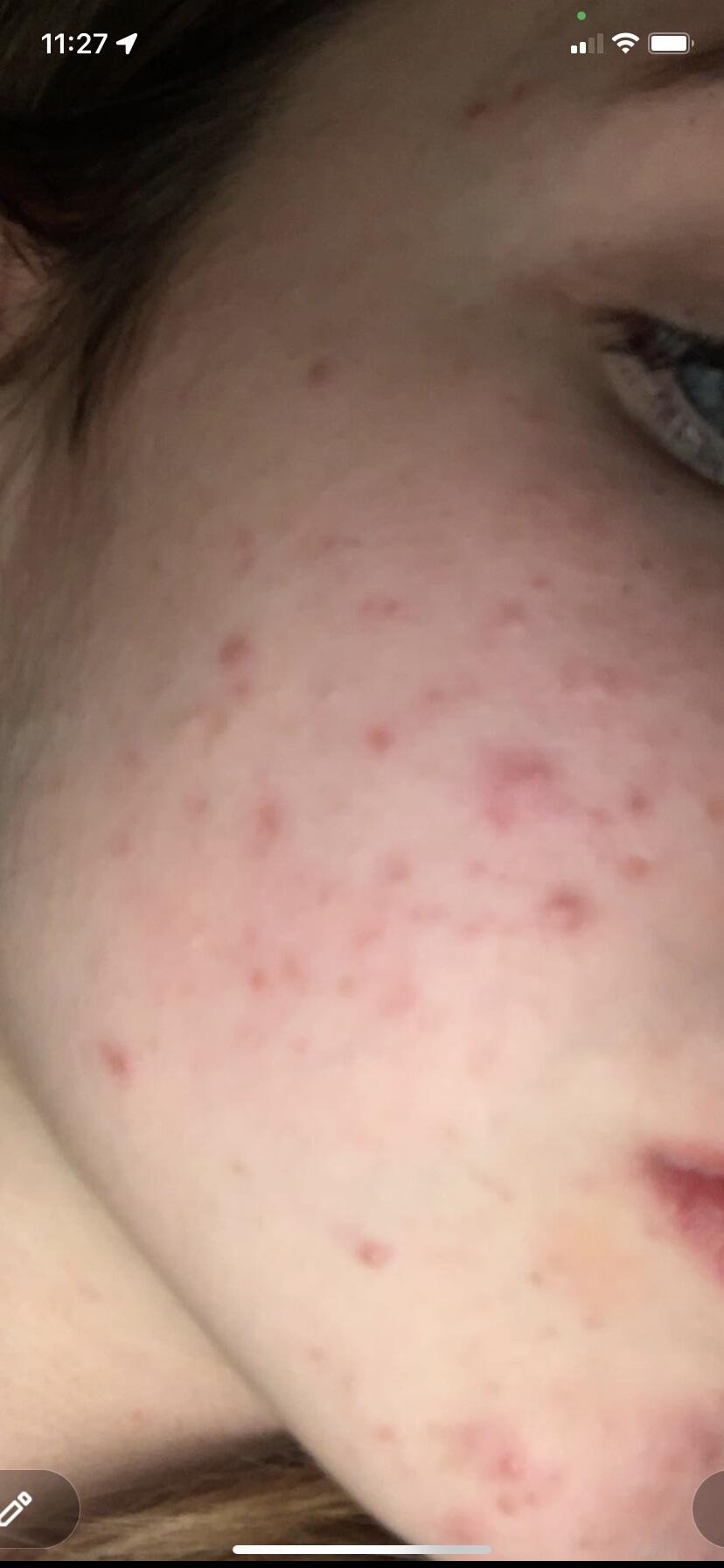
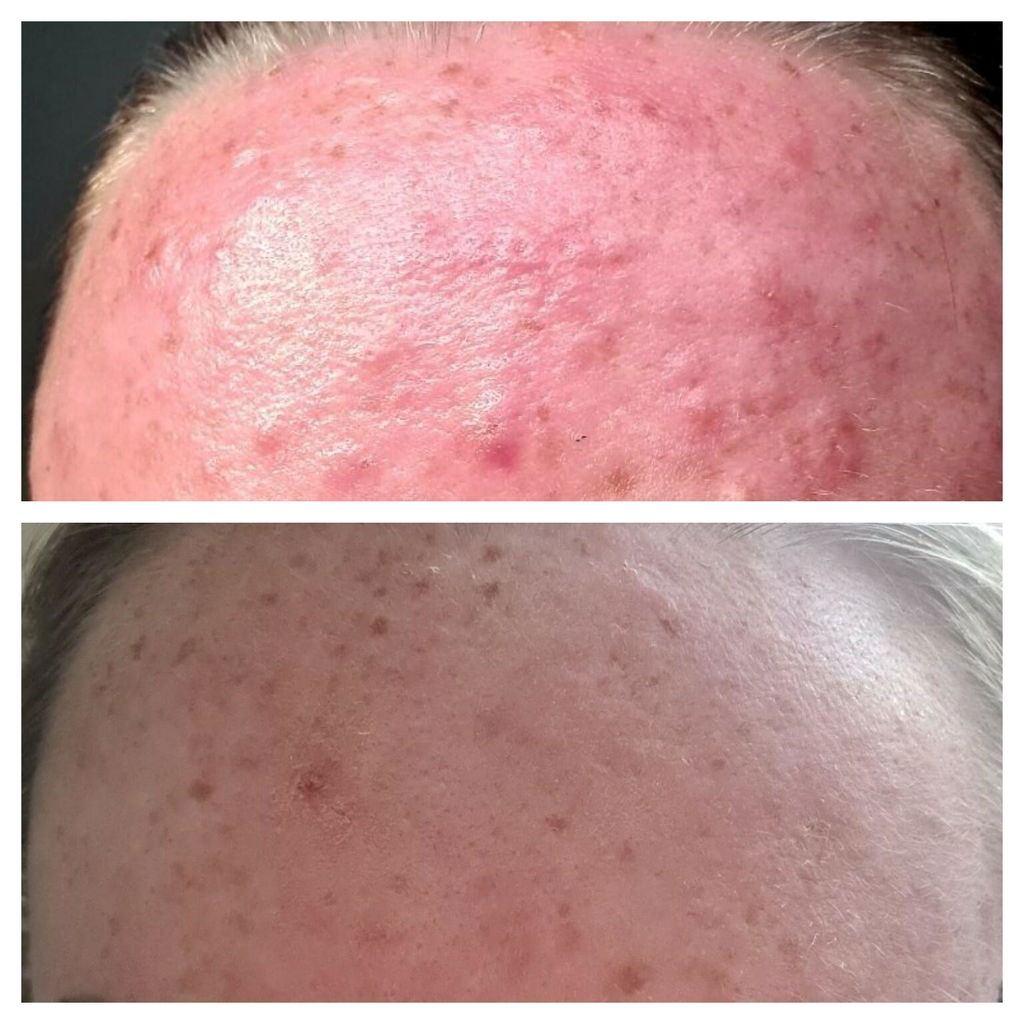
It mixes with dust, make-up residue and dead cells, and the pores become blocked from within. This is how the most common spots from oily skin appear: blackheads, whiteheads and deeper inflammation, especially around the nose, chin and forehead.
The longer the blockage remains, the more visible the inflammation becomes, which is why regular, proper cleansing is key from the very first signs.
Sebum, enlarged pores and the T-zone
The T-zone covers the forehead, nose and chin, where most of the face's sebaceous glands are found. When sebum is produced in larger amounts, pores in this area respond by physically widening to let more oil through.
This is how visibly enlarged pores form, which further encourages a build-up of impurities. Skin in the T-zone often still looks shiny hours after washing, while the cheeks and eye area stay drier, which is typical of combination skin. Recognising this pattern is the first step towards targeted care for oily skin, rather than treating the whole face the same way.

What causes excess sebum
Excess sebum production is rarely down to a single cause. Hormonal changes, heat and humidity, stress and even harsh cosmetics can all put pressure on the skin at once. Here are the most common triggers behind more sebum and more spots.
Oily, combination or dry: recognise your skin type
Before choosing a routine, it's worth working out exactly what type of skin you're dealing with. The signs differ noticeably, and getting it wrong often leads to the wrong products and even more spots.
| Skin type | Signs |
|---|---|
| Oily | Visible shine across the whole face, enlarged pores, frequent blackheads and spots, especially in the T-zone. |
| Combination | Oily T-zone (forehead, nose, chin), but normal to dry cheeks and eye area. |
| Dry | A feeling of tightness, flaking, matte and sometimes rough-feeling texture, minimal shine. |
Caring for oily skin without drying it out
The most common mistake with oily skin is over-cleansing. When you strip away all the sebum with a harsh product, the skin reads this as an alarm signal and produces even more oil to protect itself.
The result is a vicious cycle: you cleanse, the skin shines again hours later, you cleanse again. Dehydrated skin beneath the oily surface actually makes the problem worse, so the goal isn't "dry" skin, it's balanced skin. Choose formulas that cleanse deeply but don't break down the lipid barrier, and add a light, non-heavy moisturiser even for oily skin.
- Cleanse your face morning and evening with a mild, non-ionic product
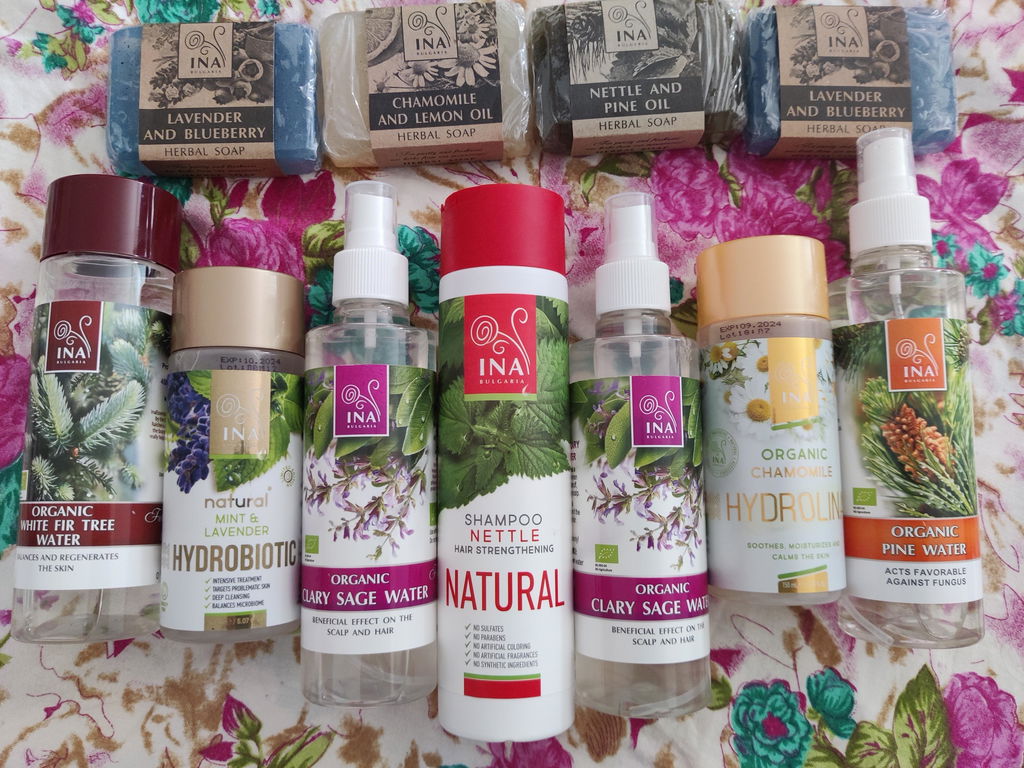
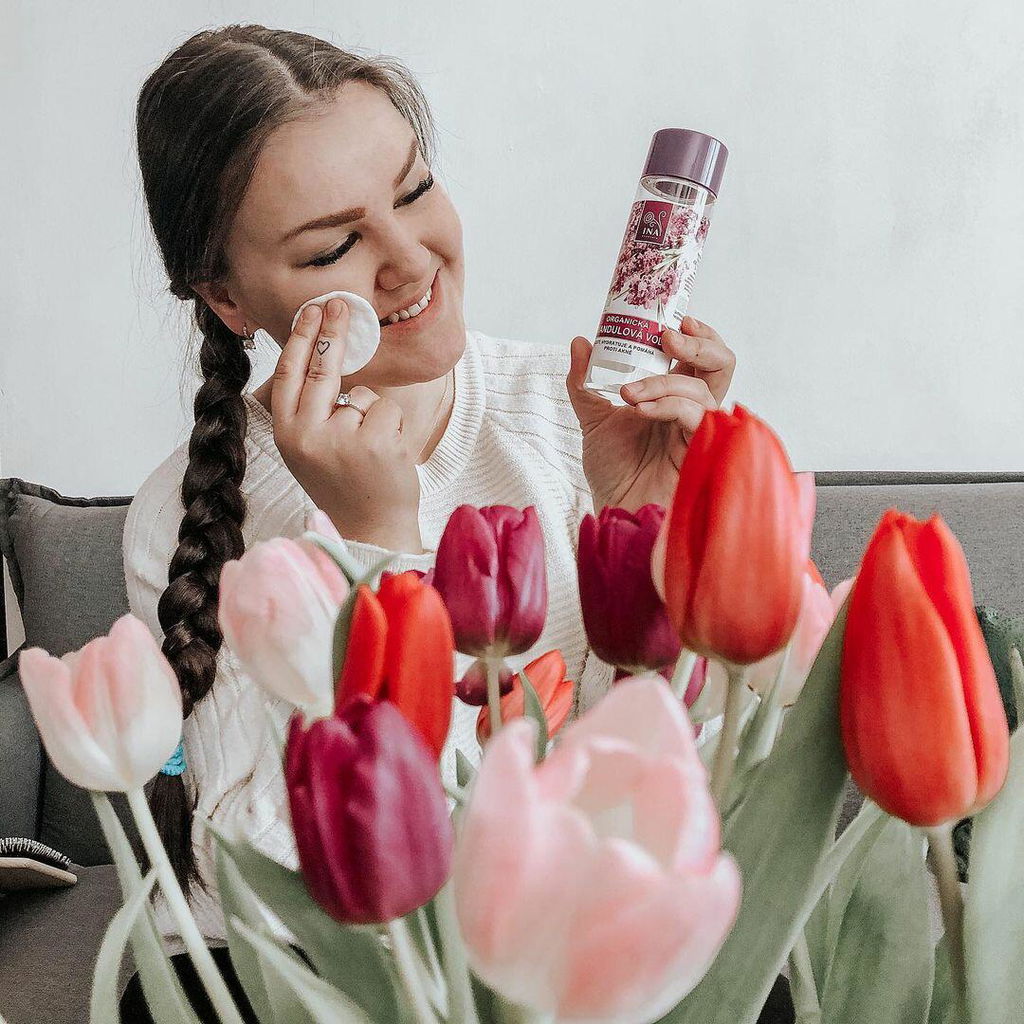
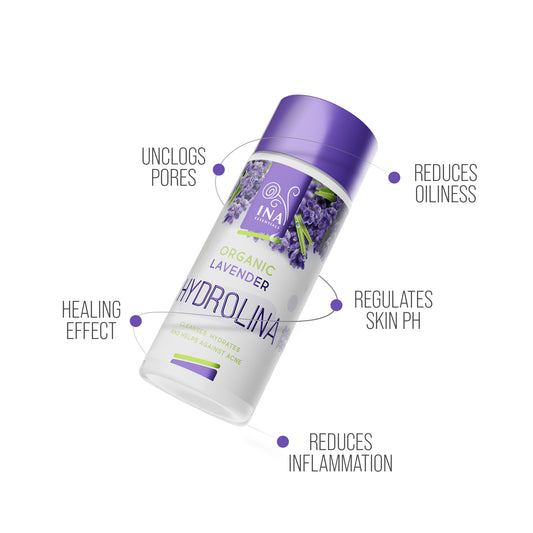
- Use herbal waters to mattify without drying out
- Hydrate with a light, non-greasy texture
- Change your pillowcase regularly
- Washing your face too often during the day
- Alcohol-based, harshly drying toners
- Rubbing and squeezing spots
- Heavy, comedogenic creams
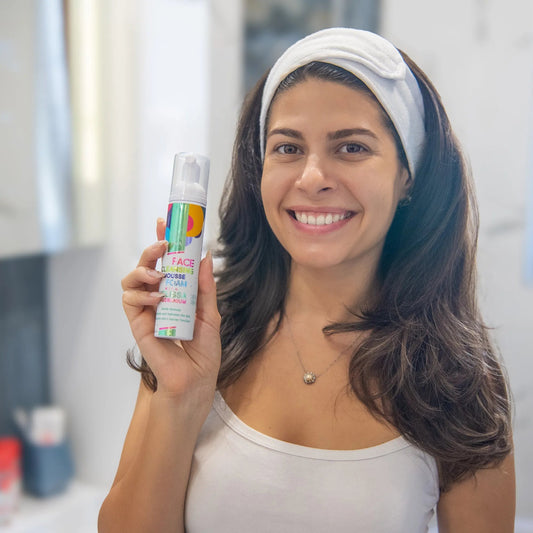
For cleansing itself, choose a soft formula made for everyday use. Natural Cleansing Foam for the Face with Lemon Balm and Geranium removes excess sebum and impurities without drying out the skin, and the prebiotic in its formula helps support the skin's natural barrier. The soft mousse texture works without rubbing, which matters for skin prone to inflammation.
A morning and evening routine for oily skin
A consistent routine matters more than any single "miracle" product. Here's a basic structure that helps support sebum balance morning and evening.
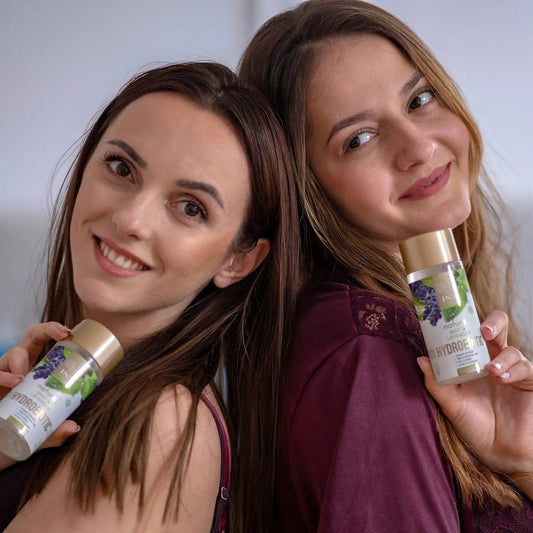
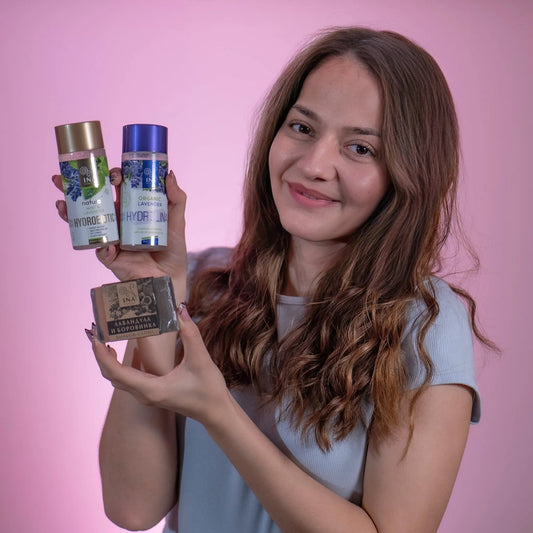
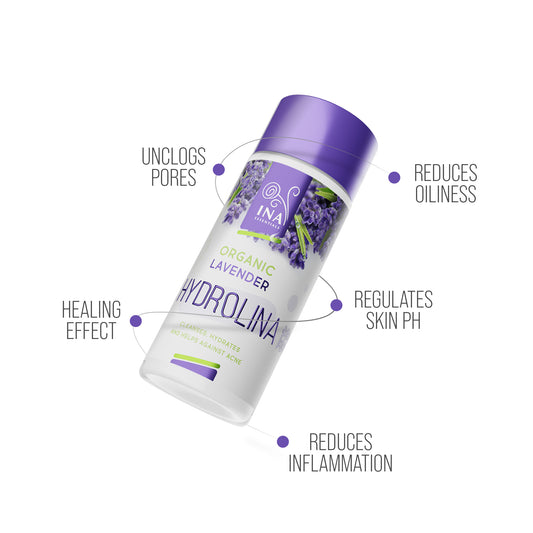
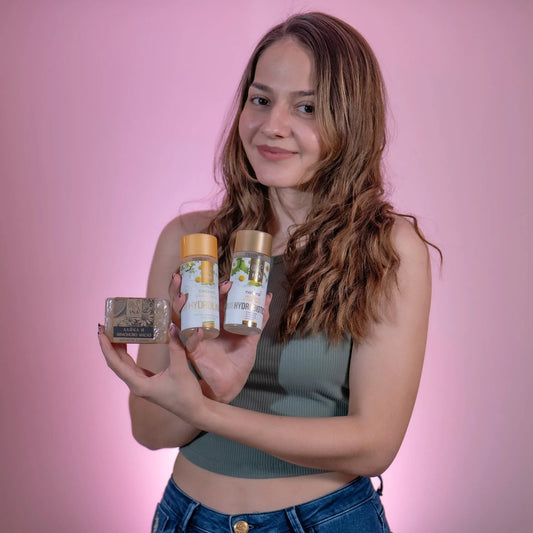
This last step is exactly what Hydrobiotic - Lavender and Mint was created for: a dual-action product that deeply cleanses pores while soothing the skin, rather than dehydrating it.

Carries away excess sebum and impurities from the pores, without damaging the skin's natural barrier.
Helps regulate skin oil for a longer-lasting matte effect in the T-zone.
Tones and visibly tightens pores, leaving a feeling of freshness throughout the day.
Balances redness and helps keep the skin calm even with frequent breakouts.
Howya:) Your products are absolutely lovely... Stay well and keep 'er lit with this quality always!
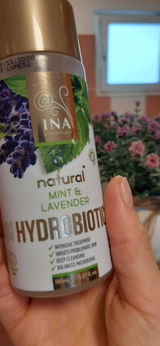
Cheers! It really is a product that gets results. ❤
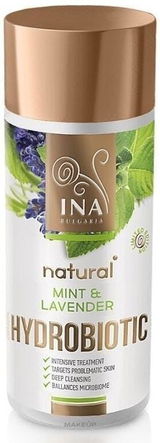
I'm absolutely delighted with them, they've really got something about them. My skin is way better than it used to be.
A COMPLETE ROUTINE FOR SPOT-PRONE OILY SKIN
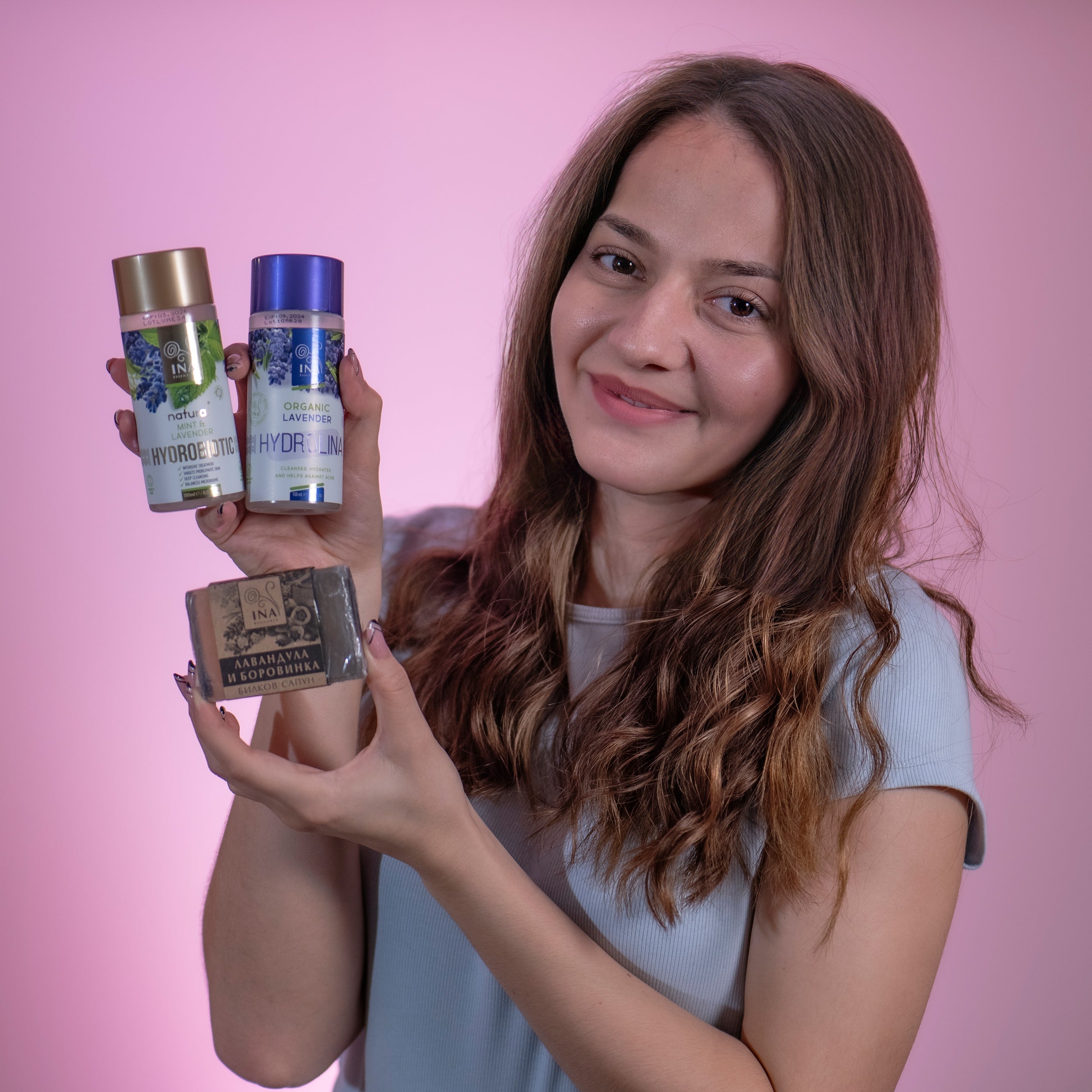
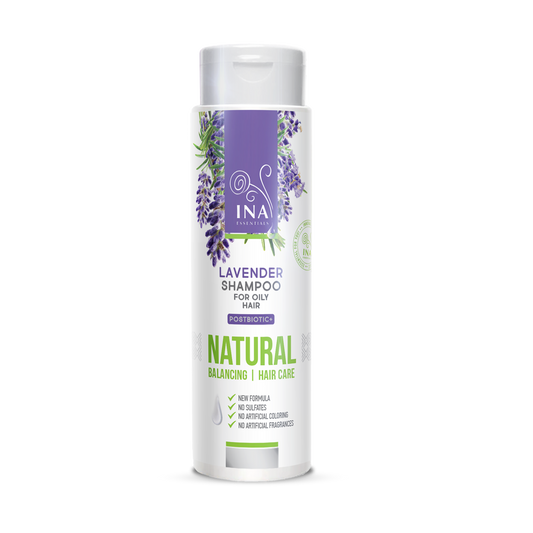
If you'd rather have a complete routine than separate products, Acne RoutINA™ brings together cleansing, toning and care in one set, built specifically for skin prone to spots from oily skin.
About the InaEssentials family

InaEssentials is a Bulgarian family business with over 25 years of experience in organic farming and natural cosmetics using rose oil, herbal waters and ingredients from our own plantations. Every product is created with care for the skin and respect for nature.
Frequently asked questions

Important information
This article is for informational purposes only and does not replace consultation with a doctor or dermatologist. InaEssentials products are cosmetic and help support skincare, but they do not diagnose or treat skin conditions.